
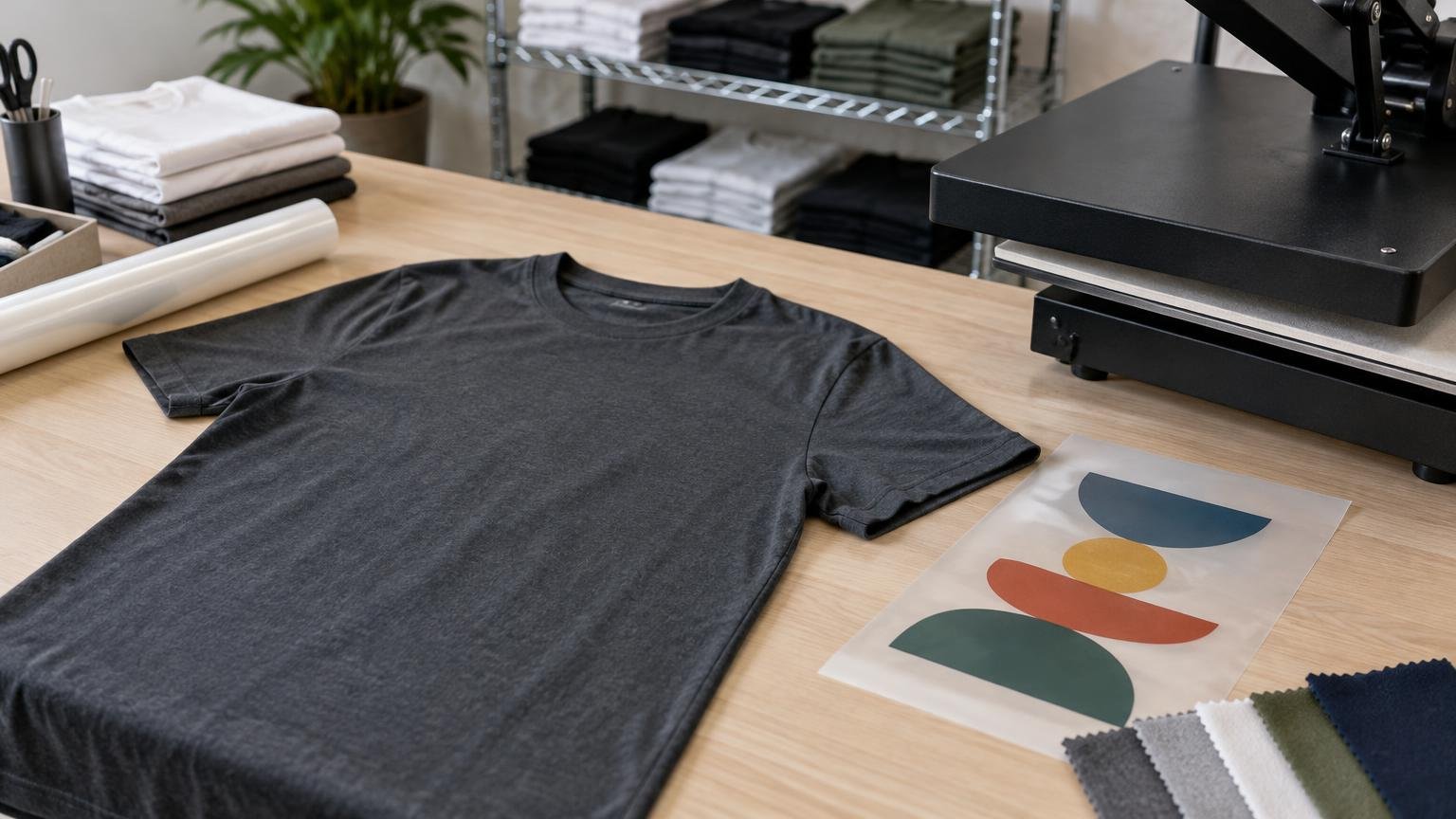
Custom Apparel Printing: Methods, Artwork and Garments
Connect artwork, fabric, quantity, durability, and care needs to a decoration method that fits how the finished garment will be used.
Custom Apparel Printing: Methods, Artwork and Garments
Shirt Customs helps small brands, teams, businesses, creators, and apparel buyers make the production choices behind a decorated garment. Start with the four conditions that control the answer: the artwork, the garment, the order quantity, and how the finished piece will be worn and cared for. Those details narrow the field faster than choosing a process by name alone. A method that reproduces the image well can still be a poor fit if the fabric, run size, or expected wear points elsewhere.
This publication covers print processes including DTF, DTG, screen printing, sublimation, transfers, and embroidery, alongside the practical decisions around file preparation, image resolution, print size, placement, fabric compatibility, and care. The goal is straightforward: connect the design, fabric, quantity, and durability requirement to a decoration approach that fits the project. Each guide focuses on the tradeoffs that can change that choice. That keeps technical detail tied to a buying decision instead of turning method names and specifications into an abstract production glossary.
Start With the Project, Not the Process
If you are comparing methods, first describe the job in plain terms. Note whether the artwork uses solid spot colors, fine detail, gradients, photographs, or frequent design changes. Then identify the garment material, color, construction, and likely use. A detailed multicolor image on a short run creates a different production problem from a simple repeated logo across a larger quantity. Write down these differences before requesting options; they are the variables most likely to explain why two reasonable recommendations diverge.
Next, define what success means for the finished garment. That may include a particular hand feel, a restrained chest mark, a large back print, resistance to repeated washing, or flexibility across garment sizes. Check these requirements against the process rather than assuming one method is best in every case. Compatibility, cure conditions, and care guidance should be verified for the specific ink, film, thread, transfer, and garment involved. The useful answer depends on the exact combination, not a broad rule detached from materials and application.
Latest Custom Apparel Guides
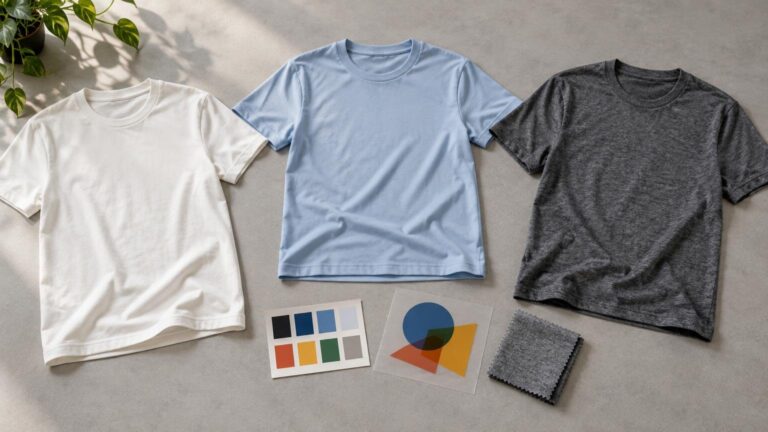
How to Choose a Blank T-Shirt for Custom Printing
Choose the print process first, then compare exact garment specifications. This guide explains how fabric, color, fit, construction and intended use affect a custom T-shirt order.
Read more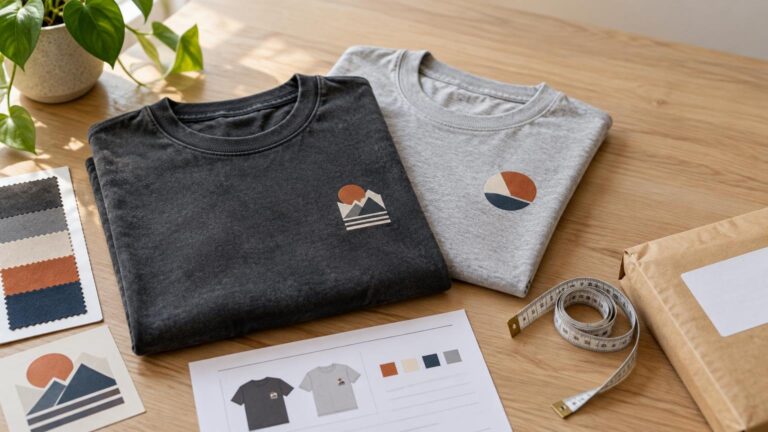
How to Choose an Online T-Shirt Printer: What Matters Beyond Price
The cheapest custom T-shirt quote is not necessarily the lowest-risk order. Compare the garment, decoration method, proof, delivery commitment, policies, and reorder process before choosing a…
Read more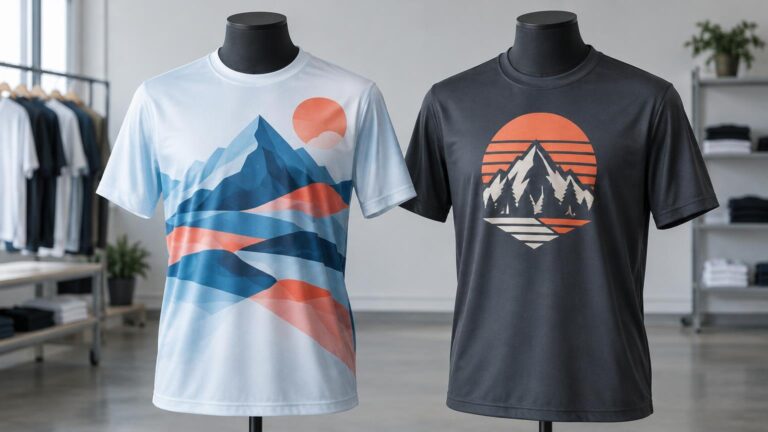
Sublimation vs DTF: Which Is Better for Polyester Apparel?
Sublimation is usually the better fit for light polyester when a surface-free print matters. DTF is more versatile across dark garments, cotton and blends.
Read moreMake the Order Easier to Approve
Before approving production, review the artwork at its intended physical size and confirm where it should sit on each garment. Ask how seams, pockets, zippers, fabric stretch, and size changes affect placement. Confirm color expectations, the decoration method, and any file requirements. For quantity decisions, compare the full job: repeated artwork, variation, setup needs, and the chance of reorders all matter. Resolve those points before payment or production.
Use the latest guides to answer the decision in front of you, then carry a short specification into the order: garment, fabric and color, artwork dimensions, placement, quantity, required durability, and chosen method. When one item is still uncertain, make that the next question instead of guessing. A clear production brief gives buyers and decorators the same target and makes tradeoffs easier to spot before approval.
Getting started with Shirt Customs
What does Shirt Customs help readers decide?
It helps readers match artwork, garment fabric, order quantity, placement, and durability needs to an appropriate decoration method.
Which apparel decoration methods does the publication cover?
Coverage includes DTF, DTG, screen printing, sublimation, transfers, and embroidery, with attention to the conditions that affect each choice.
How should I start comparing printing methods?
Start with the artwork, fabric, garment color, quantity, intended use, and care expectations. Those factors determine which comparison is relevant.
Does order quantity determine the best printing method?
Quantity matters, but it is not the only factor. Artwork detail, color variation, setup needs, garment compatibility, and possible reorders can change the answer.
How do I choose a print size and placement?
Review the artwork at physical size and account for garment dimensions, seams, pockets, zippers, stretch, and how placement changes across sizes.
Why do fabric and care requirements matter?
Decoration processes interact differently with garment materials, application conditions, washing, and wear. Compatibility and care guidance should be checked for the specific process and garment.